
From Vine to Wine
Step back in Time…
We know that the climate was warm in Roman times. Whether they introduced viticulture (grape-growing) and winemaking to Britain some 2,000 years ago is pure conjecture. More likely they imported wine from hotter parts of their empire. They certainly did not introduce the vine variety Bacchus, neat as it would be, as this was only developed in the 20th century. It is a little known fact that the English also produced fizz before the French! In 1662 the English scientist Christopher Merret deliberately added sugar to the bottle for the production of a second fermentation without fear of explosion — thanks to the advances in the strengthening of glass in England. Thus the first English sparkling wine was made.
Our Winemaking Journey
Back in 2013 we were most fortunate to find the stellar wine makers, Emma Rice and Jacob Leadley at Hattingley Valley in Hampshire and to get their agreement to make our sparkling wine. At that stage we had not planted a single vine! In 2020, we moved our operations to a boutique winery, Offbeat Wines, under Daniel and Nicola Ham. This was the beginning of new, exciting adventure: to produce organic wines using ‘low intervention’ methods, ie only wild yeasts in the first fermentation, little or no sulphur, no enzymes, little sugar, no pumping of the wine around the winery. We are one of only a handful of biodynamic vineyards in the country, becoming certified by Demeter in November 2024 after 3 years ‘in conversion’. Look after the soil and it will look after the vines.


Our Grapes
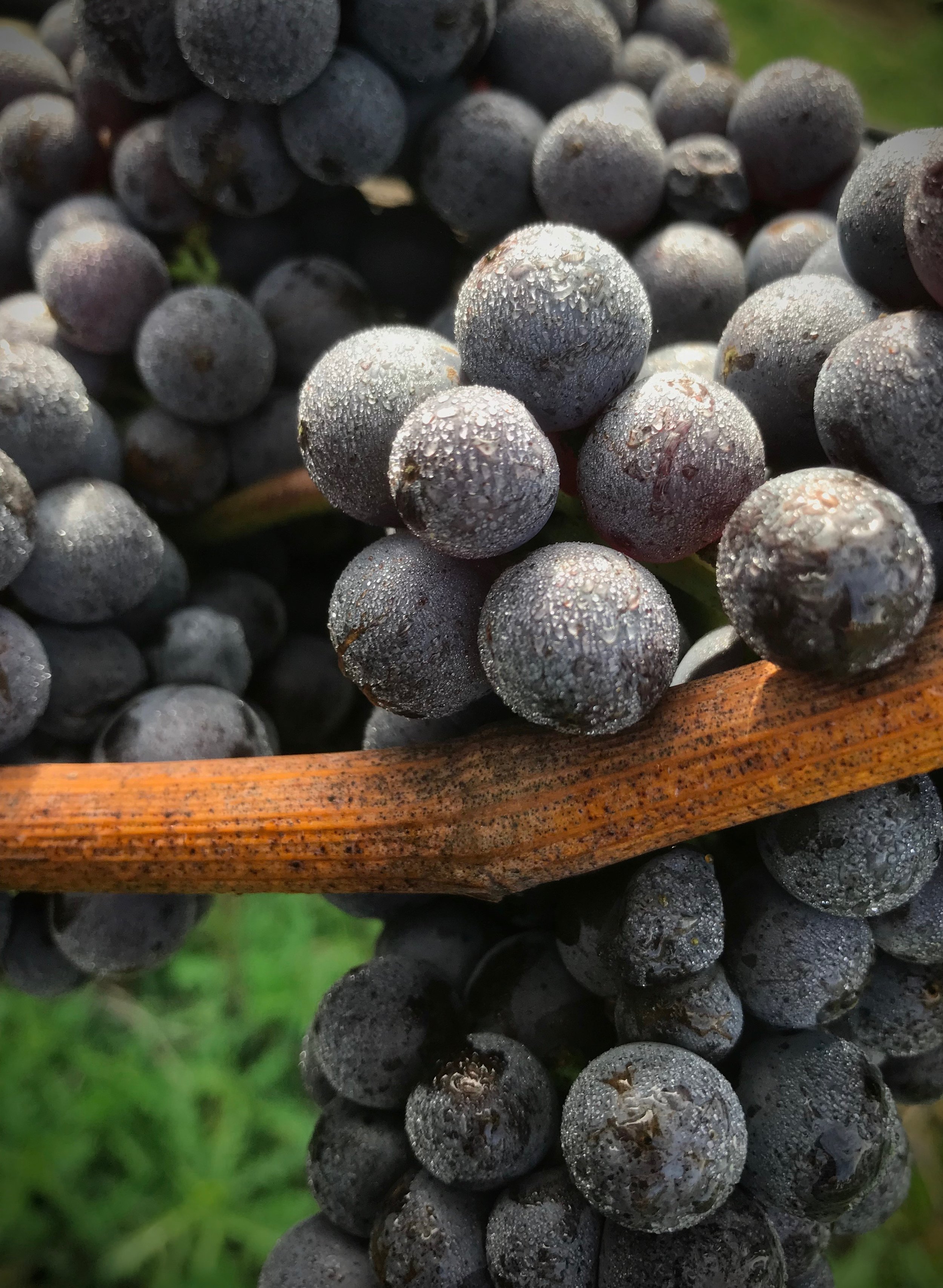
The two grape varieties we use are Chardonnay, and Pinot Noir - the classic Champagne varietals. Each variety has its own personality; Chardonnay is elegant, fruit-driven and fresh, whereas Pinot Noir brings body, structure, and the all-important red fruit character to our Brut rosé. Whilst sparkling wines can be made from a singular variety —for instance, blanc de blancs is made from 100% Chardonnay— typically a blend is employed which creates the ‘house style’. This is the approach we take at Winding Wood.


The Pressing
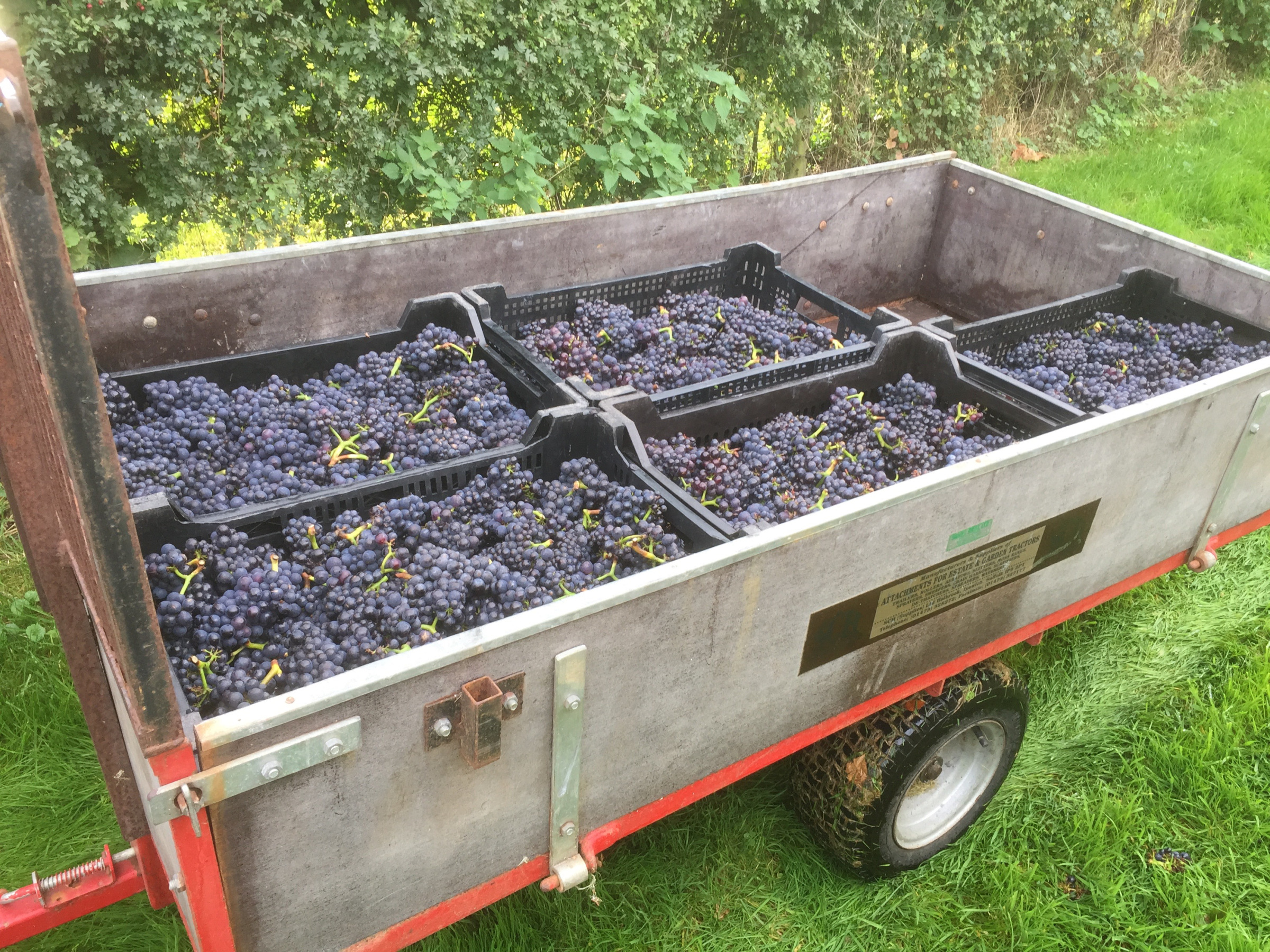
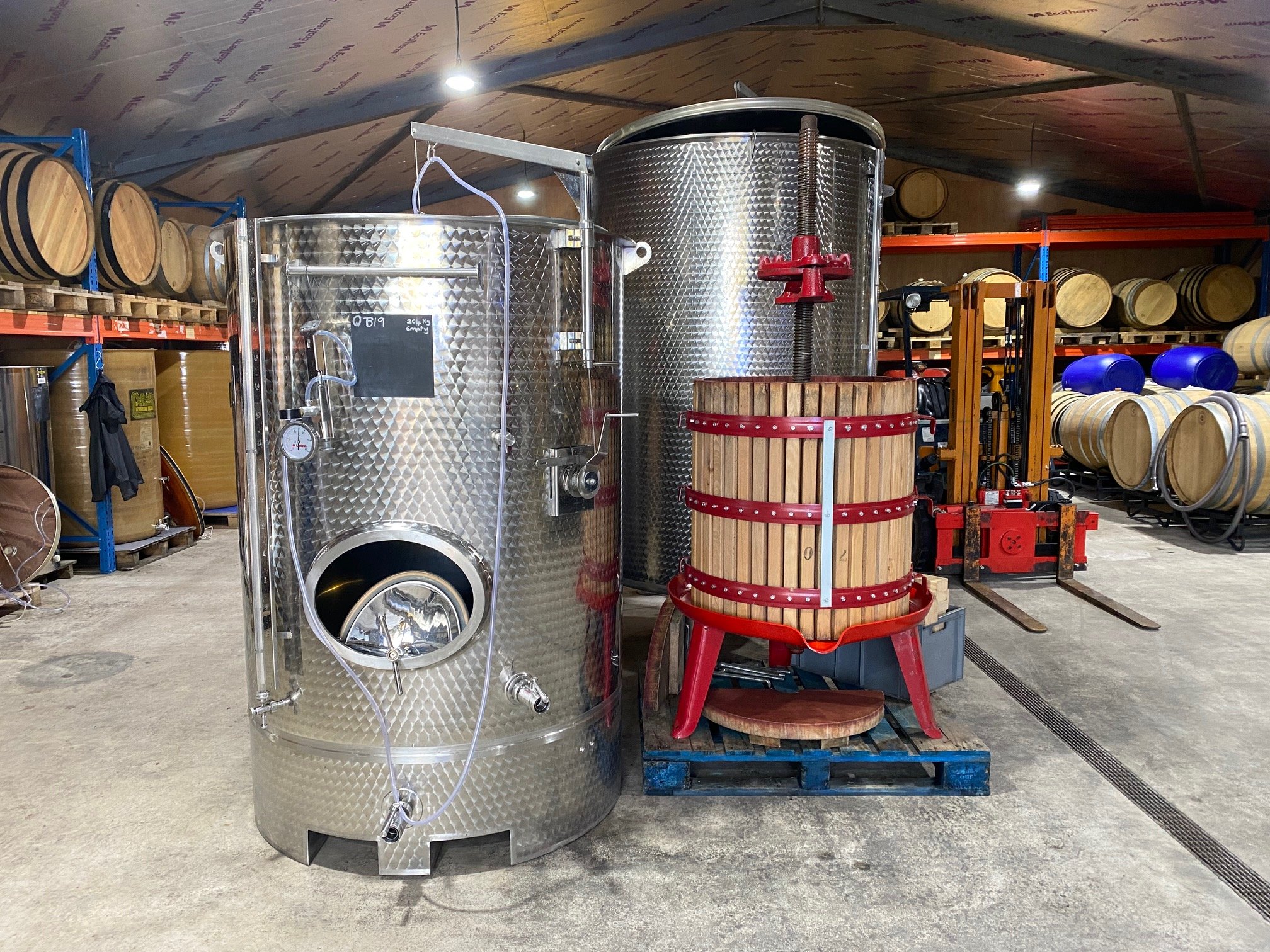
The grapes are pressed for us at Offbeat Winery within hours of being picked having been transported in crates in a flat bed trailer. Daniel Ham uses a 2 tonne Coquard basket press as his main press with various back-ups. He also uses a hand-operated press for small quantities.

The Tanks
The juice is then fermented in used Burgundian oak barrels and left until the following year, usually August, when it is bottled with yeast, sugar and a crown cap afixed. Thus commences the second fermentation using the traditional method. This is how our bubbles are produced.


Autolysis - creating the signature character
During the second fermentation the bottle is placed on its side in a metal cage ( a stillage) and the yeast settles to the bottom and starts to degrade. This process is called autolysis. During this stage the wine acquires flavours such as example, burnt toast, brioche, bruised apples etc. However, we want our fruit to shine through so do not leave the wine on lees for excessive periods.


Two Years Later...
After a minimum of two years the bottles are placed in a machine (a gyropallet) which riddles all the dead yeast into the neck of the bottle. The photograph above shows the dosage production line. In Champagne historically the process of riddling was done by hand in a pupitre. The bottle neck is then treated with a coolant agent, which freezes the dead yeast and a small amount of wine in the neck. The frozen plug under the crown cap is then extracted and replaced by the liquor d’expedition/dosage.
Taste Test
This shows Leonie and Robert with Jacob Leadley way back in 2017 at Hattingley Valley undertaking dosage testing in the boardroom. These days it is performed less formally in the corner of the winery at Offbeat Wines.
Whilst we blessed to be in the capable hands of Offbeat, we are involved at every stage of decision making to ensure our house style remains in-tact and our customers continue to receive what they have come to know and love as Winding Wood.


Fill your Cup
Once this process is complete the bottles need to sit and settle for 6 months. After which the labels are affixed and, hey presto, it’s ready to pop the cork.